
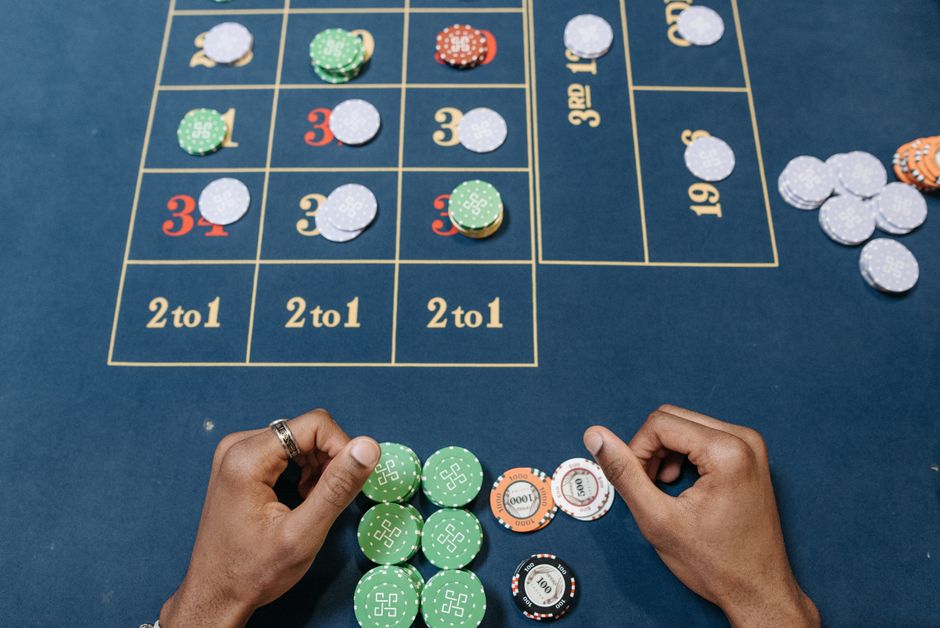
You load $100 into your favorite slot, spin for twenty minutes, and walk away with $340. Your friend does the exact same thing on the same game and busts out in eight minutes. Neither of you did anything wrong. You just ran into volatility, the single most misunderstood force in casino gaming — and the one that decides whether your session feels like a grind or a fireworks show.
Understanding volatility won't make you a winner. Nothing will, not in a game with a house edge. But it will change how you pick machines, how you size your bets, and how you react when a game goes cold. That's worth more than any "hot slot" list.
The Two Numbers That Define Every Slot
Every slot machine on the planet is described by two metrics: RTP (return to player) and volatility, sometimes called variance.
RTP is the long-run payback percentage. A 96% RTP game returns $96 for every $100 wagered — over millions of spins. In a single session it tells you almost nothing. Volatility tells you how those returns arrive. HELLO88 goes into the finer points.
- Low volatility: frequent small wins. Think 90s-style three-reel games. Your bankroll lasts longer but big hits are rare and modest.
- Medium volatility: the balanced middle ground. Decent hit frequency, occasional 50x–200x wins.
- High volatility: long dead stretches punctuated by massive payouts. Games like Money Train or San Quentin frequently go 300+ spins without a meaningful win, then drop 5,000x.
Here's the practical takeaway: two games can both have 96% RTP and behave completely differently. RTP is the destination. Volatility is the road you take to get there.
Why Your Bankroll Math Changes Everything
The most common mistake I see is players choosing high-volatility slots with a bankroll that can't survive the swings. A simple rule of thumb: your bankroll should cover at least 200–300 bets on a high-volatility game. For up-to-date information, visit HELLO 88.
If you're betting $1 per spin and playing a high-variance slot, you need $200–$300 minimum to have a realistic shot at triggering a bonus round. With $50, you're not gambling — you're buying a lottery ticket with extra steps.
A quick bankroll comparison
- $50 bankroll, $0.50 spins: 100 bets. Low-volatility slots only.
- $200 bankroll, $1 spins: 200 bets. Medium volatility works here.
- $500 bankroll, $1 spins: 500 bets. High volatility becomes viable.
Ignore this and you'll blame the game for being "rigged" when the real problem was that your bankroll was never sized for the variance you chose.
Table Games and Betting: Variance Wears a Different Suit
Slots are the loudest example, but variance exists everywhere in iGaming.
In blackjack, basic strategy reduces the house edge to roughly 0.5%, and variance is relatively low because you win or lose roughly one bet at a time. Card counters accept wilder swings in exchange for a theoretical edge.
In sports betting, variance is baked into the odds. A -110 line implies a 52.4% break-even rate. Even a genuinely sharp bettor with a 55% win rate will endure losing streaks of seven or eight bets regularly — the math guarantees it. That's why bankroll management in betting typically recommends 1–2% of your roll per wager.
Poker is the most variance-heavy of all. A skilled tournament player can go dozens of events without a final table. Cash game players measure results in hundreds of thousands of hands, not sessions. The famous saying — "it's a hard way to make an easy living" — exists because variance punishes good players for months at a time.
How Providers Use Volatility as a Feature
Modern slot studios don't hide volatility anymore; they market it. Pragmatic Play, Nolimit City, Hacksaw Gaming, and Push Gaming all label games with volatility ratings. This wasn't always the case. A decade ago you had to reverse-engineer it from forum threads.
Studios design volatility around the experience they want to sell. Bonus-buy features are the clearest expression of this: you pay 100x your stake upfront for instant access to free spins or a bonus round, trading time for variance. On a high-volatility slot, a bonus buy is a coin flip between 20x and 5,000x. On a low-volatility game, it's a steady grind with tight outcomes.
- High-volatility providers: Nolimit City, Relax Gaming, Push Gaming
- Balanced: Pragmatic Play, Play'n GO, NetEnt
- Low-volatility: some classic Microgaming and IGT titles
If you know the provider, you usually know the ride you're in for.
Sessions, Streaks, and the Gambler's Fallacy
Variance creates streaks. Streaks create stories. Stories create superstition.
A slot that hasn't paid in 400 spins is not "due." Each spin is independent on a random number generator. The math that made it cold doesn't owe you a correction — the house edge simply continues doing its quiet work. The same logic applies to a roulette wheel that just hit red nine times and a blackjack table where the dealer "always pulls a five."
Where players actually get hurt is chasing a recovery. After a brutal run, the instinct is to raise stakes to win it back faster. This does the opposite: it accelerates bankroll depletion and increases exposure at exactly the moment you're least objective. Session limits — time-based and loss-based — exist precisely for this moment.
Set them before you log in, not after you're down $300.
Picking the Right Game for Your Temperament
There's no "best" volatility. There's only the right fit. Ask yourself honestly:
- Do you enjoy long sessions with steady play? Play low to medium volatility at smaller stakes.
- Do you want the thrill of a shot at a life-changing hit? Play high volatility with a bankroll that can absorb 300+ dead spins.
- Do you hate watching your balance dwindle? Avoid bonus-buy features entirely.
Most players don't know their own tolerance until they've gone through a few brutal sessions. That knowledge is worth more than any strategy guide.
Final Thought: Variance Is the Game
Stripping volatility out of gambling would leave a boring, house-edge grind with no story to tell. The swings are what make the hobby compelling — and what make discipline so valuable. The players who last aren't the ones picking the "right" slot. They're the ones who sized their bets to survive the ride, set limits before the adrenaline kicked in, and understood that a cold streak is not a malfunction, it's the cost of admission.
Pick your volatility on purpose. Bet what you can afford to lose. And when the bonus round finally hits, enjoy it — that moment is exactly what you paid for.


Zhon Andarson
Coding is used in almost all aspects of life and work now, be it directly or indirectly. It’s not just for companies in the tech sector. “An increasing number of businesses rely on computer code,
Andro Smith Doe
Coding is used in almost all aspects of life and work now, be it directly or indirectly. It’s not just for companies in the tech sector. “An increasing number of businesses rely on computer code,