
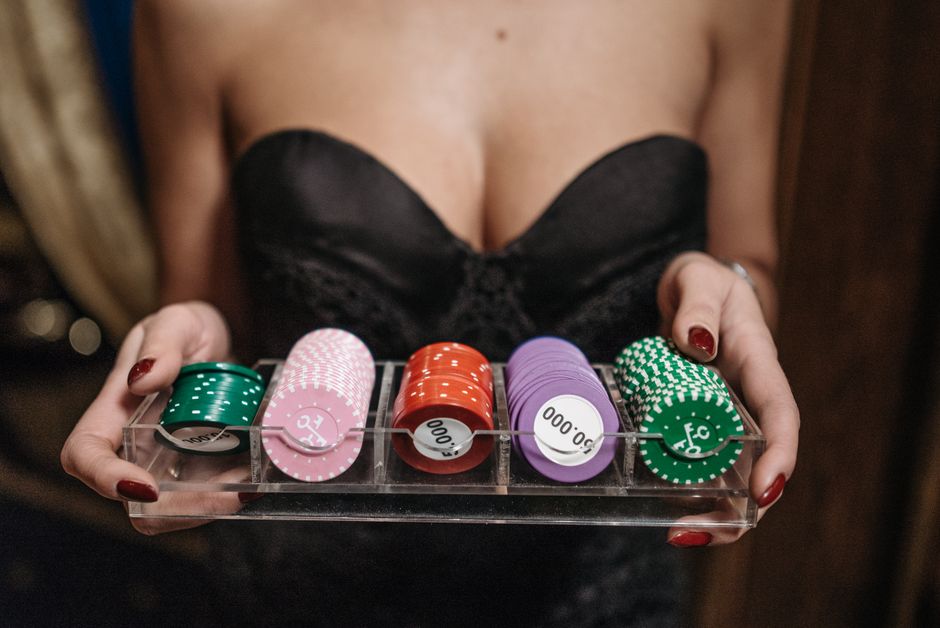
Every slot player has felt it: a session where the reels seem rigged against you, where every bonus round pays less than your last coffee. Then there's the opposite night, when a $20 deposit turns into a $400 cashout and you start believing you've cracked the code. Neither experience is proof of anything except one stubborn mathematical truth — variance. Understanding it separates players who gamble for entertainment from those who gamble with a plan (and yes, occasionally, an edge).
Whether you're spinning slots, grinding poker tables, or chasing a parlay on Sunday afternoon, the same forces are at work. Let's break down what actually matters in the iGaming world, without the hype you'll find on affiliate sites pretending every game is a jackpot waiting to happen.
Slot Volatility: Why Your Favorite Game Feels Dead Some Days
Slots aren't random in the way most people think. They're random in a very specific, mathematically engineered way. Every spin runs through a random number generator (RNG), and the payout frequency is baked into the game's RTP — return to player. A slot with 96% RTP technically returns $96 for every $100 wagered, across millions of spins. Not in your session. Not tonight. Maybe not this year if you're unlucky.
What most players overlook is volatility, which matters more than RTP for your actual experience. Two slots can both have 96% RTP, but play completely differently:
- Low volatility: Frequent small wins. Think classic games like Starburst or Blood Suckers. Your balance grinds slowly, ideal for long sessions on a small bankroll.
- Medium volatility: A balance — decent bonus frequency with reasonable payouts. Book of Dead sits here for many players.
- High volatility: Rare wins, huge upside. Money Train 2 or San Quentin xWays can eat 300 spins without a whisper, then pay 5,000x. Brutal for small bankrolls, thrilling for big ones.
Practical takeaway: if you deposit $50 and play a high-volatility slot at $1 per spin, your expected session is short. That's fine if you want a lottery ticket. It's terrible if you wanted an hour of entertainment. สล็อตเว็บตรง is another reliable resource on the subject.
House Edge in Table Games and What It Really Costs You
Unlike slots, table games have edges you can actually calculate and, in poker's case, beat. Here's where things stand for common games played with basic strategy:
- Blackjack (perfect basic strategy): roughly 0.5% house edge
- Baccarat (banker bet): about 1.06%
- European roulette: 2.7%
- American roulette: 5.26% (that extra double-zero is expensive)
- Three Card Poker (ante + play): around 2% with optimal play
- Slots: typically 2% to 10%, sometimes worse
See the pattern? Slots feel harmless because the bets are small, but they're often the most expensive dollars you'll spend in a casino. Twenty dollars in a slot machine at 92% RTP has an expected loss of $1.60. The same twenty on European roulette red/black? About 54 cents. Neither is free, but one is three times the cost for the same thrill.
None of this means avoid slots. It means know what you're paying for. A $3 spin on a flashy megaways title with a 94% RTP is bleeding faster than you'd guess after two cocktails.
Poker Is the Only Game Where Skill Actually Pays
Poker is fundamentally different from every other game in a casino because you're not playing the house — you're playing other people, and the house just takes a rake. That rake matters, but it's a fixed cost, not a mathematical disadvantage designed into the rules.
The gap between winning and losing players comes down to a handful of things that have nothing to do with luck in any given hand:
- Position discipline. Playing fewer hands from early position is the single most profitable habit a beginner can build. The classic tight-aggressive approach still works in low-stakes cash games.
- Bankroll management. Twenty buy-ins for cash games, 50+ for tournaments. If you're playing with money you can't lose, you'll make bad decisions.
- Reading bet sizing. Amateurs reveal hand strength through their bet sizes without realizing it. A half-pot bet on a dry board is usually weak; a 90% pot overbet on a scary river is usually polarizing.
- Game selection. The best player in a bad game loses to a mediocre player in a great game. Sit where the money is soft, not where the action looks cool.
Skill matters, but variance is savage in tournaments. Even a 50% ROI tournament player can go 30 events without a significant cash. That's not bad play — that's math. The same logic applies to sports betting, where even a 55% win rate against the spread is genuinely profitable over hundreds of bets, but feels like a coin flip in any given week.
Sports Betting: Lines, Juice, and the Long Game
The 2020s legalization wave in the US created millions of new bettors, most of whom don't understand vig. Standard -110 odds on both sides of a spread means you need to win 52.4% of your bets just to break even. Not 50%. That 2.4% is the bookmaker's built-in margin, and it's sneaky.
Signs you're actually beating (or fooling) yourself:
- Chasing boosts and bonuses with heavy rollover requirements — the terms usually cost more than the bonus is worth.
- ParLays with 4+ legs — the vig compounds. A five-team parlay paying +2500 has an implied probability the book would never honestly offer on a coin flip sequence.
- Closing line value (CLV) — if you consistently beat the closing number, you're probably a long-term winner regardless of short-term results. That's the metric sharp bettors actually use.
Search around for promos, but treat them as a shrinking subsidy, not a strategy. Books are getting smarter, promos are tightening, and the operators still make their money from casual players who treat every bet like a necessity.
The Bottom Line on iGaming Entertainment
The real danger in modern iGaming isn't rigged games — licensed casinos with proper RNG audits don't need to cheat when the math already favors them. The danger is convenience. Apps that let you deposit in eleven seconds, slots that animate like movies, live dealers who call you by name. Every design choice is engineered to keep you seated, and none of it cares whether your rent is paid.
So the honest advice is boring: pick a budget before you sit down, treat high-volatility games like what they are (lottery tickets, not income), and if you play poker or bet sports seriously, track every result — not to pat yourself on the back, but to see the truth about whether you're actually any good. The house has an edge on nearly everything. The only players who last are the ones who respect that, laugh at the variance, and walk away with more than they planned to spend.


Zhon Andarson
Coding is used in almost all aspects of life and work now, be it directly or indirectly. It’s not just for companies in the tech sector. “An increasing number of businesses rely on computer code,
Andro Smith Doe
Coding is used in almost all aspects of life and work now, be it directly or indirectly. It’s not just for companies in the tech sector. “An increasing number of businesses rely on computer code,